Artificial Intelligence is changing how cybercriminals plan and execute attacks. From convincing phishing emails to voice impersonation, AI makes familiar threats faster, more targeted, and harder to recognize.
For businesses, this means traditional warning signs such as poor grammar, suspicious formatting, and obvious impersonation are becoming less reliable. However, the goals of cybercriminals remain the same: steal credentials, gain unauthorized access, extract sensitive information, or obtain money. Understanding how AI is changing these attacks helps organizations focus on the security measures that matter most.
How AI is changing cyberattacks
1. Phishing emails are more convincing
AI allows attackers to generate professional, natural-sounding emails that imitate business communication. They can personalize messages using publicly available information and adapt their language to different employees or departments. A fraudulent email might reference a real project, imitate a supplier, or request an urgent payment. As a result, a traditional warning sign like poor grammar is no longer a reliable indicator of fraud.
What this means: We should evaluate the sender’s identity, the context, and the requested action instead of judging an email by its writing quality. If a message asks us to click a link, open an unexpected attachment, or share sensitive information, it is worth taking a moment to verify that the request is legitimate.
2. Social engineering is more targeted
AI helps criminals research employees and create personalized messages that appear legitimate. An attacker might impersonate an executive requesting a transfer or pose as IT support asking for sensitive information. These attacks exploit trust rather than technical weaknesses alone. Even a message containing accurate business details can be fraudulent.
What this means: We should be careful about what we share publicly, especially information about our roles, colleagues, and ongoing projects. When a request involves money, confidential data, or account access, we should verify it independently before taking action. Even if the message sounds familiar or includes details we recognize, it is better to double-check than to assume it is genuine.
3. Voice and video impersonation are harder to detect
AI-generated audio and video can imitate executives, colleagues, or business partners. Criminals may use these techniques to request payments, obtain confidential information, or persuade employees to bypass security procedures. A familiar voice or recognizable face is no longer sufficient proof of identity.
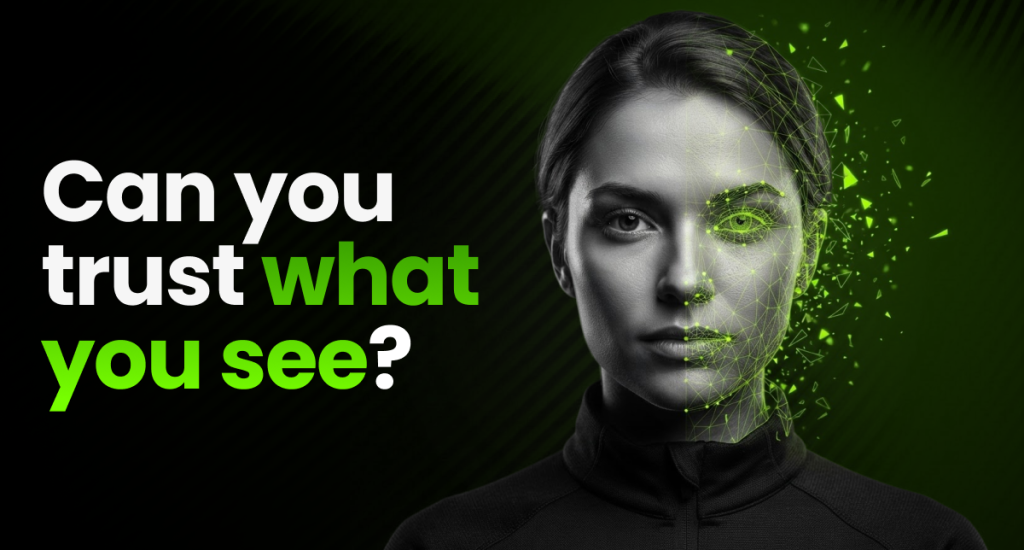
What this means: For sensitive requests, verify the information through a separate, trusted channel, such as an established phone number or approved financial workflow. If a colleague or manager asks for an unusual action during a call, take a moment to confirm their request independently. There is nothing wrong with asking for verification, even when the request appears to come from someone you know well.
4. Attack preparation is faster
AI can help attackers analyze publicly available information, research technologies, and identify potential weaknesses. This can reduce the effort needed to prepare targeted campaigns. However, AI does not automatically grant access to protected systems or eliminate the need for technical expertise.
What this means: Companies should regularly review their internet-facing systems, maintain accurate asset inventories, and address known vulnerabilities. They should also limit the amount of sensitive information exposed publicly and monitor their systems for unusual activity. Staying ahead of attackers requires ongoing attention, not just a one-time security check.
Which traditional warning signs no longer work?
Several familiar indicators remain useful, but they are no longer reliable proof of a cyberattack.
- Poor grammar and spelling: AI can produce polished, professional messages.
- Generic greetings: Attackers can personalize messages using publicly available information.
- Obvious impersonation: Fake branding and suspicious formatting may be absent from sophisticated scams.
- Urgent language: Legitimate requests can be urgent, while malicious requests can appear routine.
We should not assume a message is safe simply because it looks professional or sounds like someone they know. Instead, we should consider whether the request is expected, whether the sender’s identity can be verified, and whether the requested action follows company procedures.
Which warning signs still matter?
Although AI changes how attacks look and sound, several important signals remain relevant.
1. Requests that break established procedures
Unexpected requests to transfer money, change supplier bank details, share credentials, or disclose confidential information deserve scrutiny. Companies should require independent verification and appropriate approval for sensitive transactions, regardless of who appears to have requested them.
2. Unexpected authentication requests
Passwords, recovery keys, and multifactor authentication codes remain valuable targets. Employees should never disclose these secrets in response to unsolicited requests or approve unfamiliar login notifications simply to clear an alert.
3. Unusual account activity
Security teams should monitor suspicious sign-ins, unexpected permission changes, unfamiliar email forwarding rules, and unusual access to sensitive files. Individual events may have legitimate explanations, so teams should investigate them in context and look for related warning signs.
4. Attempts to bypass security controls
Requests to skip approvals, disable security tools, or use unapproved services can indicate an attempt to exploit trust. Everybody should feel comfortable questioning unusual requests, even when they appear to come from senior management.
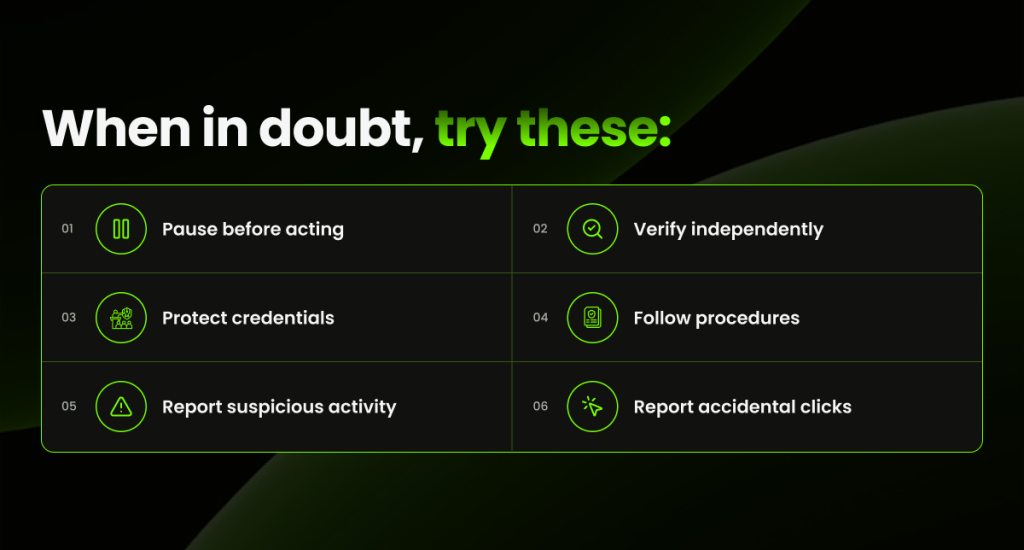
So, what can you do to protect yourself?
You do not need to become an AI expert to protect yourself from AI-powered attacks. A few simple habits can help reduce the risk:
- Be cautious with unexpected requests involving money, access, or confidential information.
- Use a trusted communication channel to confirm sensitive requests.
- Never disclose passwords or authentication codes in response to unsolicited requests.
- Do not bypass security controls because a request seems urgent.
- Contact the IT or security team, even when you are unsure.
- Report accidental clicks or information disclosure immediately.
AI is making cyberattacks more convincing, targeted, and scalable. Poor grammar, generic greetings, and obvious visual inconsistencies are no longer dependable indicators of fraud. However, the fundamentals of cybersecurity remain essential. Unexpected requests, unusual account behavior, attempts to bypass controls, and pressure to disclose sensitive information still deserve attention.
When appearances can be manipulated, verification becomes more important than ever.